Write-Up vs Disciplinary Action: What's the Difference and When to Use Each

In this guide
We cover everything you need to know about this topic — best practices, common mistakes to avoid, step-by-step guidance, and the right template to use. This guide takes about 5 min to read.
In most workplaces, "write-up" and "disciplinary action" are used interchangeably, but they refer to different things within a formal progressive discipline process. Understanding the distinction helps managers apply discipline consistently, creates clearer documentation, and reduces legal exposure when termination decisions are challenged.
What is a write-up?
A write-up is a written record of a specific performance or conduct issue. It documents that a problem occurred, that the employee was informed of it, and that they were given clear guidance on what is expected going forward. A write-up is a documentation tool. In some organisations, it is the first formal step in the progressive discipline process — the step that comes after verbal coaching has not resolved the issue.
A write-up typically includes: a description of the specific behaviour or performance issue, the date it occurred, references to any prior coaching or verbal warnings, what the employee is expected to do differently, a timeline for improvement, and the employee's acknowledgement signature.
The write-up itself is not the punishment. It is the record that a conversation happened, that a standard was communicated, and that the employee has been formally notified that the issue is on record and that continuation will result in further action.
What is disciplinary action?
Disciplinary action is the broader category that encompasses all formal consequences for performance or conduct failures. Write-ups are one type of disciplinary action. The progressive discipline process typically includes multiple levels of disciplinary action, each more serious than the last.
A complete progressive discipline process usually looks like this: verbal warning (with a written record in the personnel file), written warning (formal write-up), final written warning (which typically states that the next incident will result in termination), and termination. Some serious conduct violations — theft, harassment, violence, gross negligence — may bypass earlier steps and result in immediate termination.
The specific steps and their labels vary by organisation. The important principle is that each step is documented, that the employee is clearly informed of the expectations and consequences at each stage, and that the process is applied consistently across comparable situations.
Complete HR & Employment Bundle
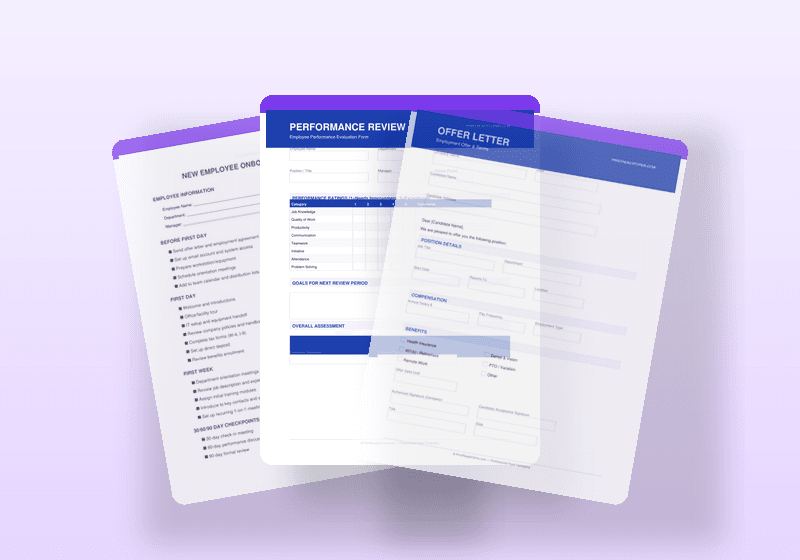
The template this guide walks through — ready to customize with your details in ZIP Bundle — 35 PDFs format.
When to use a write-up versus other forms of disciplinary action
Use a written warning (write-up) when: a verbal warning has not produced the expected change, when a specific incident warrants formal documentation, or when you are beginning a formal performance improvement process that may lead to termination if not resolved.
Move to a final written warning or higher-level disciplinary action when: the employee has already received a written warning for the same or similar issue, when the severity of the incident warrants a stronger response, or when you are beginning the documentation trail that will support a termination decision if improvement does not follow.
Use immediate termination (bypassing earlier progressive steps) only for conduct serious enough that the employment relationship cannot continue: documented theft, physical violence, gross insubordination, serious safety violations, or conduct that causes immediate legal risk to the business.
The legal importance of consistent application
The greatest legal risk in progressive discipline is inconsistency. If you write up one employee for attendance issues but have not documented the same pattern in another employee's file, you are exposed to claims that the discipline was applied selectively — which can support discrimination claims.
Keep disciplinary records in the employee's personnel file, maintain consistent standards across similar situations, and ensure that every step in the progressive discipline process is documented before moving to the next level. The documentation trail that accumulates through a properly managed progressive discipline process is what makes a termination decision defensible if challenged.
The goal of documentation is not punitive — it is protective
Many managers resist formal documentation because it feels adversarial. In practice, clear, professional documentation protects both the employer and the employee — it ensures the employee has been formally informed of the issue and given a genuine opportunity to correct it before more serious consequences follow. That is not adversarial. It is fair management practice, properly documented.
Complete HR & Employment Bundle
Professionally designed and formatted. Available in ZIP Bundle — 35 PDFs format. 30-day money-back guarantee.
One-time purchase — use forever.
Related Guides

Founder, PrintReadyForms · 25 years writing technical documents, contracts, scopes of work, and procedures
Published
All guides on PrintReadyForms are written to help business owners, landlords, contractors, and HR professionals use professional documents effectively. This content is for informational purposes only and does not constitute legal or financial advice. Consult a qualified professional for advice specific to your situation.